ZapRun Electric Scooters — 750W Foldable, W6 & Every Rider

ZapRun builds electric scooters for real American commutes — from the iK3's hard-capped 10 MPH kids' model with a magnetic charger to the Y16's 1,200W seated cruiser rated at 62 miles per charge. The lineup includes the 750W foldable W6, a standing adult model that ships with app connectivity and remote locking. Every adult model in the standing lineup uses pneumatic tires; mid-range and above ship with app connectivity and remote locking. Core components carry a 365-day parts warranty, which puts ZapRun in a different category from the throwaway sub-$200 imports it sits next to on Amazon. Check the official ZapRun website or Amazon for current pricing on each model.
✓ 150W Kids to 1,200W Seated✓ 365-Day Parts Warranty✓ App-Connected Mid-Range and Above
View on Amazon
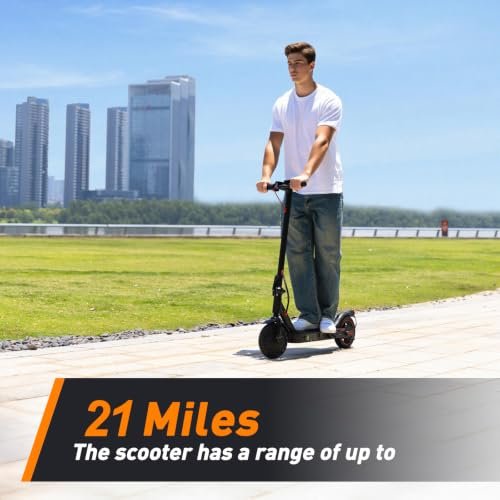
Electric Scooter– 21 Miles Long Range
Honest Range Numbers, Real Commutes

The W6 is rated at 22 miles per charge — at 165 lbs in Mode 2 on a mixed urban route, expect 15–17 miles, which still covers a 10-mile round-trip commute with buffer.

Five Models, One Brand Ecosystem

The lineup runs from a 150W kids' model capped at 10 MPH all the way to a 1,200W seated cruiser — one warranty contact and one app platform across the household.

10-Inch Pneumatic Tires on the Core Model

The W6's 10-inch air-filled tires absorb the pothole shock that solid rubber tires at this price point send straight to your wrists — a meaningful comfort difference on cracked city pavement.

365-Day Warranty Backed by Real Support

Core components carry a 365-day parts warranty; specific components are covered for 180 days — documented coverage in a category where many sub-$400 competitors offer nothing post-sale.

ZapRun Electric Scooters — Find Your Model

Five models, three distinct use-case lanes: adult standing commuters (W3, W6, W8), a purpose-built kids' scooter (iK3), and a long-range seated option for adults who want a padded seat and front storage basket (Y16). Every product below links directly to Amazon, where current pricing and availability are always up to date.

Electric Scooter– 21 Miles Long Range

W3 Entry Commuter Scooter

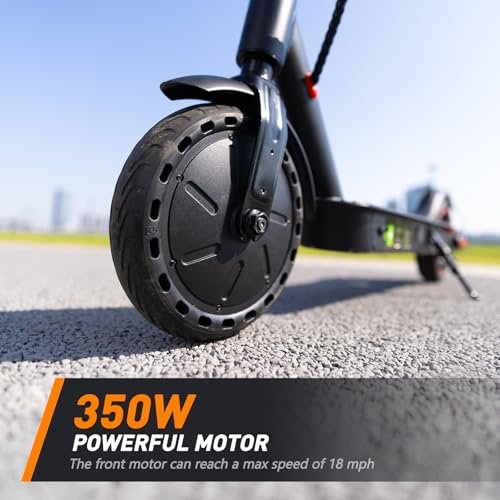
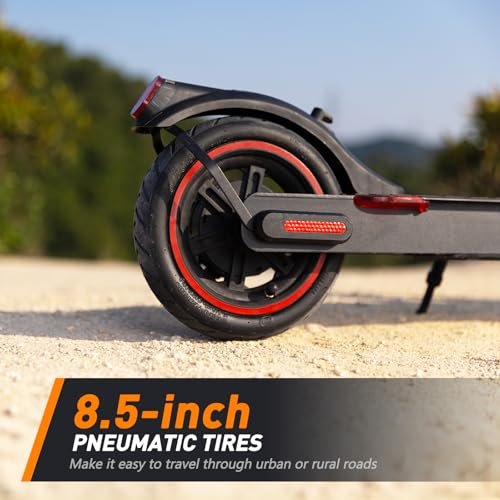
The W3 is the lightest adult model in the lineup at 26.4 lbs, built around a 350W motor that handles slopes up to 15° without throttle drop. Three speed modes — 6, 12, and 18 MPH — plus 8.5-inch pneumatic tires and a dual brake system, all without requiring an app to operate.

The right pick for first-time adult riders who want a no-app, no-fuss commuter under 8 miles each way on flat or mildly hilly urban streets.

See on Amazon
Electric Scooter

W6 10-Inch Urban Commuter

The W6 is the core of ZapRun's adult lineup — 500W motor, 10-inch pneumatic tires (the largest on any standing model), rear disc plus electronic braking, app-based remote lock, and IPX4 splash resistance in a 33 lb package. Speed modes run at 9, 15, and 21 MPH to match the environment you're riding in.

The best all-around choice for daily commuters doing 8–12 miles round-trip who want tire comfort, disc braking, and app security without stepping up to a suspension model.

See on Amazon
Electric Scooter for Adults

W8 Suspension Off-Road Scooter

The W8 is the only standing ZapRun model with front and rear swingarm spring suspension — a genuine upgrade on rough pavement or mixed terrain. It adds a 750W motor, 9.3-inch off-road pneumatic tires, triple braking (front disc, rear drum, and e-brake), turn signals, and Voltix Smart App connectivity at 46.6 lbs.

Built for riders on cracked city streets, campus routes with grade, or light trails who need suspension comfort and won't be carrying the scooter up stairs every day.

See on Amazon
Kids Electric Scooter

iK3 Kids Electric Scooter

The iK3 is designed specifically for riders aged 6–12, with a hard 10 MPH speed cap in Sport mode, a kick-start requirement before the motor engages, and a magnetic charging port that eliminates exposed prongs — a child-safe detail most kids' scooters skip. Dual braking (e-brake plus foot brake) and a 154 lb weight limit round out the safety specs.

The magnetic charger and kick-start requirement are the two features that separate this from generic kids' scooters — both exist specifically because children handle charging themselves and occasionally push the throttle before they're ready to move.

See on Amazon
Electric Scooter with Seat 1200W Powerful Motor

Y16 Long-Range Seated Scooter

The Y16 is the only ZapRun model with a padded seat, and it's built around specs that justify the format: a 48V 20Ah battery rated at 62 miles per charge, 14-inch fat pneumatic tires with dual spring suspension, NFC touch-to-unlock with two included keys, a front storage basket, dual rearview mirrors, and TÜV Rheinland ANSI/CAN/UL 2272 certification.

If you need a seated, long-range option for errands, longer commutes, or a comfortable alternative to standing scooters — especially as an adult or senior — the Y16 is the only model in this lineup built for that use case.

See on Amazon

Which ZapRun Scooter Fits Your Ride

The right ZapRun model depends on three things: who's riding, how far, and what the terrain looks like. Most buyers who end up returning a scooter bought for the wrong variable — usually range or rider age. Here's how to find yours without second-guessing.

ZapRun - Electric Scooter– 21 Miles Long Range

You're an Adult Commuting to Work or Transit

Start with your round-trip distance and your route's terrain. If you're doing under 8 miles each way on flat city streets and you've never owned a scooter before, the W3 is the honest pick. At 26.4 lbs, it's the lightest adult model in the lineup — you'll carry it up subway stairs without dreading the return trip. It handles slopes up to 15°, which covers most urban overpasses and bridge approaches.

Doing 8–12 miles round-trip, or your route includes cracked pavement, raised crosswalks, and the occasional pothole? That's W6 territory. The 10-inch pneumatic tires are a meaningful upgrade over the 8.5-inch tires on the W3 — air-filled rubber absorbs what rigid-deck scooters transfer directly to your wrists and ankles. You also get disc braking instead of drum, app connectivity with a remote lock, and IPX4 splash resistance for the rides you can't reschedule around light rain.

The W8 is for a different rider entirely. If your commute includes sustained grades, genuinely rough pavement, or light trail sections, the W8's front and rear swingarm spring suspension changes the ride quality in ways that are hard to overstate once you've felt both. It's 46.6 lbs — you won't be carrying it up four flights of stairs daily. But if it stays on the ground and your route is rough, the triple braking system and 9.3-inch off-road pneumatic tires make a real difference.

You're Buying for a Child Aged 6 to 12

The iK3 is the only model in the lineup built for this age group — and the design choices matter more than the specs. The motor won't engage until your child kicks off first. That single requirement eliminates the "accidental launch" problem that's behind a lot of kids' scooter injuries with simpler throttle designs. The hard 10 MPH cap in SPORT mode isn't adjustable by the rider — only NORMAL mode (6 MPH) and SPORT mode (10 MPH) exist, with no way to bypass either.

The magnetic charger is worth calling out specifically if your kid charges their own devices. There are no exposed prongs — the connector snaps on magnetically, which removes the electric shock risk that standard barrel chargers carry. The 154 lb weight limit and age range of 6–12 mean this isn't a scooter your teenager will grow into for long, but for a first electric scooter, it's the right tool.

You Want a Seated Option for Longer Trips or Daily Comfort

The Y16 is the only ZapRun model with a seat, and it's built around a fundamentally different use case than the standing lineup. The 48V 20Ah battery delivers 56–62 miles of rated range — enough that a full charge covers several days of typical errands without plugging in every night. The 14-inch fat pneumatic tires and dual spring suspension (front and rear) mean you're not standing and absorbing road vibration; you're seated, with the suspension doing its job beneath you.

It's also the only model in the lineup with a front basket, dual rearview mirrors, NFC touch-to-unlock, and a TÜV Rheinland ANSI/CAN/UL 2272 certification. For seniors, shoppers, or anyone who finds standing scooters fatiguing over longer distances, the Y16 covers a need the rest of the lineup doesn't touch.

Real-World Range vs Stated Specs

Every electric scooter brand lists a maximum range figure. The ZapRun W6 shows 22 miles. The Y16 shows 62. Those numbers are real — but they're measured under conditions most riders will never replicate. Here's what they actually mean for a typical commute.

Why the Gap Exists

Manufacturer range testing is usually done at low speed (often 9–12 MPH), with a light test rider around 130–150 lbs, on flat ground, with no stop-and-go traffic. Change any of those variables and the range drops. A 180 lb rider doing 15 MPH on a mixed urban route with traffic lights will consistently see 60–75% of the stated maximum. That's not a ZapRun problem — it's how the entire category is tested, from Gotrax to Segway.

ZapRun - Electric Scooter– 21 Miles Long Range

It's worth understanding rather than dismissing: that 60–75% real-world figure still covers most daily commutes with room to spare. The W6 at 60% of its stated range gives you roughly 13 miles. A 10-mile round-trip commute still fits. The math works — but only if you're using the actual number, not the headline.

Expected Range by Model Under Typical Conditions

These figures assume a 165 lb rider, mid-range speed mode, mixed flat-to-moderate terrain, and a fully charged battery. Cold weather (below 40°F) and sustained hills will push you toward the lower end of each range.

  • W3 — Rated 21 miles. Real-world estimate: 13–16 miles. Covers round-trip commutes up to about 7 miles each way on flat routes.
  • W6 — Rated 22 miles. Real-world estimate: 14–17 miles. Comfortably handles a 10-mile round-trip daily commute with buffer.
  • W8 — Rated 25 miles. Real-world estimate: 15–19 miles. Higher motor draw at 750W means more variability depending on how much you push Mode 3.
  • iK3 — Rated 60–80 minutes of ride time. For a child at around 65 lbs doing neighborhood riding, that's roughly 5–7 miles per charge — more than enough for a typical play session.
  • Y16 — Rated 56–62 miles. Real-world estimate: 35–46 miles at moderate speed with a 165 lb rider. At the lowest speed mode, range extends significantly. The 48V 20Ah battery gives this model a real-world buffer that the standing lineup simply can't match.

Five Factors That Change Your Range

Rider weight is the biggest single variable. Every 20 lbs above the test weight reduces effective range by roughly 8–10%. A 220 lb rider on the W6 should expect closer to 11–13 real-world miles rather than 14–17.

Speed mode selection matters almost as much. Running the W6 at 21 MPH (Mode 3) draws from the battery at roughly twice the rate of 9 MPH (Mode 1). If your commute lets you run in Mode 2 for most of the route, you'll recover meaningful range every single day.

Terrain grade is the variable most buyers underestimate. A sustained 10% incline can cut effective range by 30–40% on a 350–500W motor. If your route includes a significant uphill section in one direction, plan your charge schedule around the uphill leg — it will drain your battery noticeably faster than the same distance on flat ground.

Temperature drops hit lithium batteries hard. Below 40°F, you can expect a 15–20% capacity reduction on a cold battery. This affects shoulder-season commuters in most of the northern US — if you're riding in October or March, the battery that covered 15 miles in August might cover 12.

Tire pressure rounds out the list. Under-inflated pneumatic tires increase rolling resistance and reduce range. Check the W6's 10-inch tires monthly — the difference between proper inflation and running 20% low is measurable over a 10-mile route.

How ZapRun Speed Modes Work Daily

ZapRun's speed mode system isn't just a performance feature — it's a practical tool for matching your speed to your environment. Each mode exists for a reason, and knowing which one to use where makes a real difference in both safety and battery life.

The Three-Mode System on the W3 and W6

The W3 and W6 use a three-mode setup. The mode names differ slightly between models, but the logic is identical: a slow mode for crowded or supervised environments, a middle mode for typical urban riding, and a fast mode for open stretches where traffic conditions allow.

  • W3 — ECO (6 MPH): Designed for sidewalks with heavy foot traffic, first-time riders getting comfortable with throttle response, or any situation where you're sharing space with pedestrians and need to stop frequently. At 6 MPH, stopping distance is minimal and reaction time isn't a factor.
  • W3 — MID (12 MPH): The sweet spot for most urban commutes — fast enough to keep pace with light bike lane traffic, slow enough that you're not outrunning your own reaction time on cracked pavement. Most daily riders will spend most of their commute here.
  • W3 — HIGH (18 MPH): Best on open roads, dedicated bike paths with few cross-streets, or low-traffic suburban routes. At 18 MPH you're covering ground quickly — but you need clear sightlines ahead and confidence in your braking.

The W6 runs the same structure with slightly different mode speeds: 9 MPH / 15 MPH / 21 MPH. The extra mile per hour in each tier is a minor real-world difference; the logic for choosing each mode stays the same.

ZapRun - Electric Scooter– 21 Miles Long Range

One feature worth using on both models: cruise control. On longer flat stretches — a waterfront path, a campus loop, a quiet residential street — activating cruise control holds your speed without requiring constant throttle pressure. It's a real comfort advantage on rides over 20 minutes, not just a spec line.

Four-Mode Systems on the W8 and Y16

The W8 and Y16 add a fourth speed tier, running 9 / 15 / 21 / 25 MPH (W8) and 9 / 15 / 21 / 28 MPH (Y16). The first three modes function identically to the W6 setup. The fourth mode is the meaningful addition — it's genuinely fast for a scooter, and how you use it matters.

At 25–28 MPH, you're moving at or faster than typical urban car traffic in a 25 MPH zone. That means you need clear sightlines, no unexpected pedestrian crossings, and full confidence in the W8's triple braking system (front disc, rear drum, and hidden e-brake operating in sequence). The W8's swingarm suspension also helps at this speed — hitting a pothole at 25 MPH on a rigid-deck scooter is a very different experience than on a suspended one.

Switching Modes Through the App vs. On the Deck

On the W6, W8, and Y16, speed mode changes can be made through the Voltix Smart App or directly on the scooter's display panel. The app adds one capability that the physical controls don't: you can set a maximum mode remotely — useful if you're lending the scooter to someone who's less experienced and you want to cap their top speed before they ride. It's also how you activate the remote lock, which cuts motor power so the scooter can't be ridden without your phone unlocking it first.

The W3 has no app connectivity. Mode switching on the W3 is handled entirely on the handlebars, which is simpler — but it means there's no remote lock function and no ride data tracking. For first-time riders who don't want another app to manage, that's a feature, not a limitation.

One practical note: switching to a lower mode doesn't immediately slow the scooter to that mode's cap if you're already above it. The scooter will coast down to the new maximum rather than braking. That's normal behavior — but don't expect a sudden deceleration when you switch from HIGH to ECO mid-ride.

Safety Certifications and Riding Laws

The Y16 carries a TÜV Rheinland ANSI/CAN/UL 2272 certification — a third-party electrical safety standard that tests the battery, charger, and electrical system against recognized fire and shock hazard benchmarks. In an Amazon product category where many competitors list no certification at all, it's a verifiable credential worth understanding.

What UL 2272 Actually Means

UL 2272 is a safety standard developed by Underwriters Laboratories specifically for personal electric mobility devices. It tests electrical systems — battery, motor controller, charger, and wiring — for resistance to electrical failure, overheating, and fire risk. The TÜV Rheinland accreditation means the Y16's certification was issued by an independent, internationally recognized testing body rather than self-certified by the manufacturer.

This matters most in two situations: if you're storing or charging the scooter in a shared space (apartment building, office, dormitory), or if your workplace or transit authority has rules about which e-scooters are allowed on premises. Some transit agencies and building managers in the US now require UL 2272 certification before permitting e-scooters inside. The W3, W6, and W8 are not listed with UL 2272 certification in their product documentation.

iK3 Child Safety Design Features

The iK3's safety design isn't just about the speed cap. Three specific features distinguish it from adult scooters that happen to be set to a lower maximum speed.

  • Kick-start requirement: The motor won't engage from a standstill without a physical kick-off first. This prevents accidental throttle launches — a common cause of early falls for new young riders who squeeze the throttle before they're balanced and moving.
  • Magnetic charger: No exposed electrical prongs on the charging port. The connector snaps magnetically, eliminating the shock risk that comes with a child plugging in a standard barrel charger incorrectly or in wet hands. This is a genuine child-specific design choice, not a marketing feature.
  • Dual braking (e-brake + foot brake): Two independent stopping methods. If a child panics and uses only one, the other still slows them. The foot brake in particular is intuitive for younger riders who are already accustomed to kick scooter braking mechanics.

The iK3 is rated for ages 6–12 with a 154 lb weight limit. Riders at the upper end of that weight range — say, a 140 lb 12-year-old — will see reduced performance in speed and range, and that's expected. The rating means safe operation up to that load, not optimal performance at it.

US Electric Scooter Laws — What Riders Need to Know

Regulations for electric scooters vary significantly by state and by city, and no product page can substitute for checking your local rules. That said, a few federal and common-state patterns are worth understanding before you ride.

Speed limits for e-scooters on public infrastructure differ by jurisdiction. In many states, electric scooters are legally permitted on bike lanes but prohibited from sidewalks once they exceed a threshold — commonly 15 MPH. Running a W6 or W8 in Mode 3 on a sidewalk may put you outside legal operation in your city even if you feel safe doing it. Checking your city or county transportation authority's current rules before your first ride is the most important homework you can do.

Age minimums are another common requirement. Most states that have specific e-scooter legislation set minimum rider ages between 14 and 16. ZapRun's adult standing lineup (W3, W6, W8) designates 18 as the minimum age recommendation on product documentation, though the practical minimum for supervised use varies by state law. The iK3 lists a maximum age recommendation of 12, consistent with the product's motor, weight limit, and design intent.

Helmet requirements apply in many states for riders under 18, and in some states for all riders. The National Highway Traffic Safety Administration (NHTSA) recommends a bicycle-standard helmet (CPSC certified) as a minimum for e-scooter riding at any age. This is not specific to ZapRun — it's a general recommendation that applies across the category.

If you're riding near roads or at night, the LED headlight and taillight included on all ZapRun adult models satisfy the basic visibility requirement in most jurisdictions, but check your local rules on lighting and reflector standards before assuming compliance.

ZapRun Warranty and Support Explained

ZapRun covers core components for 365 days and specific parts for 180 days from the purchase date. That structure is documented in the product listings and applies across all five models in the current lineup — the W3, W6, W8, iK3, and Y16. Check your specific model's included documentation for the exact breakdown of which components fall into which coverage tier.

What the Two Warranty Tiers Mean in Practice

The 365-day coverage applies to core components — the structural and mechanical elements most likely to develop faults in the first year of regular use. The 180-day coverage applies to specific parts, which typically includes consumable or wear-based components like tires and brake pads, where wear from normal use is expected and isn't considered a manufacturing defect.

Honesty here: ZapRun's warranty documentation doesn't specify every component category in the Amazon listing text. The full breakdown is in the user manual and packaging included with your unit. Read it before you need it — not after something goes wrong. Knowing what's covered and for how long takes about five minutes and saves a frustrating conversation later.

The iK3's listing states "12-month or 180-day warranty on components" — which is functionally the same dual-tier structure under slightly different language. The 12-month figure aligns with the 365-day core coverage on the adult models.

How to Actually Get Support

All ZapRun products are sold through the ZapRun Amazon storefront. Support contact runs through Amazon's buyer-seller messaging system — accessible from your order history. For warranty claims, start there: describe the problem, include your order number, and attach photos or video of the issue if it's a mechanical fault. ZapRun's product pages note that a professional support team is ready to provide "fast and reliable service," and the standard path for resolution is replacement parts shipped for self-installation on most common issues.

For assembly questions specifically — the W3 listing includes an updated assembly note for units that won't power on after setup — customer support is reachable through the same Amazon channel. The three-step fix documented in the W3 listing (connect wiring harness, install handlebar and tighten screws, power on) resolves the most common post-assembly issue without needing a return.

Is ZapRun a Real Brand or a Disposable Import

This is the question that shows up in Reddit threads and forum comparisons, and it deserves a direct answer rather than brand cheerleading.

ZapRun is an Amazon-native brand manufactured by Dongguan Yicheng Shengda Information Technology Co., Ltd. (adult models and Y16) and Shenzhen Xincheng Times Technology Co., Ltd. (iK3). Both are established Chinese manufacturers with other product lines. The ZapRun brand isn't a decade-old operation with a US repair center network — it's a relatively new brand competing in the mid-range Amazon segment.

What distinguishes it from the category's genuinely disposable imports is documented post-sale structure: warranty terms that are written and specific, support accessible through a verified Amazon storefront rather than a generic seller account, and product documentation that includes assembly guidance for known edge cases. That's a meaningful baseline — not a guarantee, but more than many competitors at this price tier offer.

The W6's 3.7-star rating across 58 reviews is worth flagging. It's the lowest-rated model in the lineup and the only one below 4 stars. Some of that reflects the realistic expectations gap on range claims and brake adjustment out of the box — issues that show up in reviews across the category at this price point. But buyers should know going in that the W6 has a more mixed satisfaction record than the W3 or W8, and read recent reviews before purchasing.

Who the Y16 Seated Scooter Serves Best

The Y16 is the only ZapRun model with a seat, and the gap between it and the standing lineup isn't just about comfort — it's a different product for a different kind of rider. The specs that define the Y16 (62-mile rated range, front basket, auto-park, NFC unlock, dual mirrors, fat tires, and TÜV-certified electrical system) aren't random feature additions. They map directly to how this scooter gets used.

Seniors and Riders Who Find Standing Fatiguing

Standing on a rigid or even suspended deck for 30+ minutes of continuous riding puts real strain on the knees, hips, and lower back — especially for riders over 55, or anyone with joint issues. The Y16 addresses this directly: the padded foam seat with weather-resistant cover provides a seated riding position that removes leg strain from the equation entirely. The ergonomic design isn't just comfort marketing — it's the reason the product listing specifically calls out "seniors electric scooter needs" as a use case.

The auto-park feature matters here too. After 20 seconds of inactivity, the Y16 engages a parking lock automatically. For riders who may have limited hand strength or who are managing balance during dismount, not having to remember to engage a separate parking brake is a practical safety advantage.

NFC touch-to-unlock with two included keys removes another complexity. No app required for basic operation — tap an NFC key to unlock, ride, tap again to lock. The anti-theft motion alarm activates when the scooter is locked and detects movement. These aren't features designed for a 25-year-old tech commuter; they're designed for someone who wants their scooter to be as straightforward to use as possible.

Shoppers and Errand Riders

The front basket is the feature that makes the Y16 genuinely useful for errands in a way no standing scooter can match. A bag of groceries on the floor of a standing scooter shifts your center of gravity and creates a real handling problem. Mounted in a front basket, the same load is stable and accessible. This isn't a theoretical benefit — it's the difference between whether a scooter gets used for a grocery run or sits at home while the car gets used instead.

At 62 miles of rated range (35–46 miles under typical real-world conditions for an adult rider), the Y16 covers a full week of errand routes for most suburban riders without needing a mid-week charge. The 48V 20Ah battery requires 9–10 hours to fully charge, so the practical pattern is an overnight charge every few days rather than daily plugging in. For anyone replacing short car trips — a pharmacy run, a farmers market visit, a post office stop — that range profile means the battery is almost never a limiting factor.

Long-Distance Commuters Who Won't Tolerate Standing

A 10-mile one-way commute on a standing scooter is manageable. At 15–20 miles each way, the physical demand of standing for 45–90 minutes of riding changes the calculus significantly. The Y16's seated design makes longer daily commutes viable for riders who want the flexibility of personal electric transport but can't sustain the standing posture for extended distances.

The 4.5-inch LED color display shows battery level, speed, and range in real time — which matters more on a longer route where running out of charge mid-commute has real consequences. Dual rearview mirrors provide the traffic awareness that's standard on motorcycles and mopeds but absent on virtually every other scooter at this price point. At 28 MPH in Mode 4, the Y16 moves at the pace of urban car traffic — and the mirrors mean you're not riding blind to what's behind you.

One honest limitation: the Y16 charges in 9–10 hours. If you drain the battery on a long commute and need to ride again the same evening, you'll be waiting. Plan charging around overnight cycles and the range limitation essentially disappears for most commute patterns. But if your use case involves multiple rides in a single day with partial charges, the Y16's charge time is worth factoring in before you buy.

W9 Settings Most Riders Never Find

We picked this walkthrough because it gets into something most W9 reviews skip entirely — how to actually change the settings, not just ride the thing out of the box. You'll see a real adult rider putting the 1,000W motor through its paces on a commuting route, which gives you a much better read on real-world performance than spec sheets do. The channel also puts the W9 side-by-side with a comparable scooter, so you can hear an honest take on whether the value holds up against the competition.

How the ZapRun Lineup Stacks Up by Rider Type

Three tables cover the full ZapRun range — adult standing models side by side, plus individual spec sheets for the iK3 kids' scooter and the Y16 seated model. Use the comparison to pick between the W3, W6, and W8; use the spec sheets to verify the kids' and seated models fit your specific situation before buying.

ZapRun Electric Scooter For Adults Comparison

FeatureW3 Entry Commuter ScooterW6 10-Inch Urban CommuterW8 Suspension Off-Road Scooter
Motor350W (peak 500W)500W750W
Top Speed18 MPH22 MPH25 MPH
Rated Range21 miles22 miles25 miles
Tire Size and Type8.5" pneumatic10" pneumatic9.3" pneumatic off-road
Braking SystemRear drum + e-brakeRear disc + e-brakeFront disc + rear drum + e-brake
SuspensionNone (rigid)None (rigid)Front and rear swingarm spring
App ControlNoYes (Voltix Smart App)Yes (Voltix Smart App)
Weight26.4 lbs33 lbs46.6 lbs
Weight Limit220 lbs264 lbs264 lbs
Speed Modes6 / 12 / 18 MPH9 / 15 / 21 MPH4 modes up to 25 MPH

For flat urban commutes under 8 miles each way, the W3's 26.4-lb frame and no-app simplicity make it the easiest daily carry. The W6 is the right call for most commuters — 10-inch pneumatic tires make a real difference on cracked pavement, and the disc brake and remote lock add meaningfully to both safety and security. If your route involves potholes, gravel paths, or sustained grades, the W8's dual suspension justifies the extra weight; just know you won't be carrying it up stairs easily at 46.6 lbs.

ZapRun Electric Scooter For Kids Specifications

SpecificationDetail
ModeliK3
Motor150W
Speed ModesNormal (6 MPH) / Sport (10 MPH)
Ride Time per Charge60–80 minutes
Wheel Size6 inches
Wheel TypeSolid rubber
Brake StyleE-brake and foot brake
Weight Capacity154 lbs
Age Range6–12 (maximum age recommendation: 12)
Frame MaterialAluminum
ChargingMagnetic port (no exposed prongs)
Dimensions32.3" L × 14.4" W × 38.8" H
Special FeaturesDual braking, magnetic charging, deck-side ambient lighting, kick-start required
Warranty360-day or 180-day coverage depending on component

The 10 MPH hard cap in Sport mode is enforced by the controller — it's not advisory. The kick-start requirement means a child standing still can't accidentally hit the throttle and launch forward, which is the most common first-ride incident on entry-level kids' scooters. The 154-lb weight limit covers most kids through age 12 comfortably, but check your child's current weight if they're on the heavier side for their age.

ZapRun Electric Scooter With Seat Specifications

SpecificationDetail
ModelY16
Motor1,200W
Top Speed28 MPH
Rated Range56–62 miles
Battery48V 20Ah lithium
Charge Time9–10 hours
Tire Size and Type14" × 2.5" fat vacuum pneumatic
SuspensionDual spring (front and rear)
Braking SystemDual drum brakes + electronic anti-lock (triple system)
Unlock MethodNFC touch (2 NFC keys included)
Display4.5-inch LED color screen
StorageFront basket included
SeatPadded foam with weather-resistant cover
Weight Capacity264 lbs
Safety CertificationTÜV Rheinland ANSI/CAN/UL 2272
Warranty365-day or 180-day coverage depending on component

The 48V 20Ah battery is the largest in the ZapRun lineup by a wide margin — it stores 960Wh, which is why the rated range reaches 62 miles when the 500W W6 only reaches 22. The 9–10 hour charge time reflects that capacity honestly; plug in overnight and it's ready by morning. The TÜV Rheinland UL 2272 certification means an independent lab has verified the electrical system meets the US and Canadian safety standard — that's a real credential, not a marketing badge.

What ZapRun Riders Say After Real-World Use

"I commute about 9 miles round-trip through downtown and the W6 handles it fine — I've never run out of charge mid-ride. The 10-inch tires absorb the rough patches near the train station way better than my old scooter's smaller wheels did. The app lock is the feature I didn't know I needed until someone tried walking off with it outside a coffee shop."
— Marcus T., Urban Commuter, Austin TX
"Got the W8 because I have a longer campus with a few real hills and some rough service paths. The suspension makes a genuine difference — I've ridden rigid-deck scooters at this price and you feel every crack. Only complaint is 46 pounds is a lot to carry up three flights to my apartment, so I leave it locked in the bike room now."
— Danielle R., College Student
"Bought the iK3 for my 8-year-old daughter. The magnetic charger was the deciding factor — she charges it herself without me worrying about exposed prongs. The 10 MPH cap is real and it actually works. She's been on it every day after school. My only gripe is the solid wheels feel bumpy on our gravel driveway, but on pavement it's smooth."
— Jennifer L., Parent buying for a child aged 6–12
"The Y16 replaced my second car for errands. I can actually carry groceries in the front basket, which sounds like a small thing but it completely changes how useful a scooter is. Range is genuinely good — I've done 40-mile weeks without charging more than twice. Takes a while to charge overnight but that's just the tradeoff for a big battery."
— Robert M., Lifestyle and Errand Rider
"The W3 is a solid entry point if you're doing flat city riding. I use it for the last two miles from the bus stop to my office and back — it folds in seconds, fits under my desk, and at 26 pounds it's not a burden. Wouldn't take it on anything hilly, but for flat urban last-mile use it does exactly what I need."
— Keisha N., Multi-Modal Commuter
"Honestly the ride quality on the W6 surprised me for the price. I'd watched a few YouTube reviews before buying and they were right — the 10-inch tires really do make it feel more planted. Speed-wise, 22 MPH is plenty for bike lanes. My only real note is that the 3.7-star average had me hesitant, but most of the lower reviews seemed to be assembly questions rather than mechanical failures."
— Adrian C., Recreational Weekend Rider

Common Questions About ZapRun Electric Scooters

Are ZapRun scooters good?

ZapRun scooters are a solid mid-range Amazon-native brand with most models rating between 4.2 and 4.3 stars across hundreds of reviews. The W6 carries a 3.7-star rating — worth knowing — where the lower scores reflect primarily assembly questions rather than systematic mechanical failures. Independent YouTube reviewers have tested the W6 specifically for real-world speed and confirmed performance broadly matches the specs. The 365-day parts warranty is a documented post-sale commitment, not a throwaway claim.

What is the best ZapRun electric scooter for adults?

For most adult commuters doing 8–12 miles round-trip on city streets, the W6 10-Inch Urban Commuter is the right call — its 10-inch pneumatic tires, disc braking, and app-based remote lock make it the most balanced model in the standing lineup. The W3 Entry Commuter Scooter suits lighter, flatter routes where portability matters more than top speed. Riders dealing with rough pavement or mixed terrain should look at the W8 Suspension Off-Road Scooter and its front-and-rear swingarm spring system.

What is the best ZapRun electric scooter for kids?

The iK3 Kids Electric Scooter is ZapRun's only purpose-built kids' model — designed specifically for ages 6–12 with a 154-lb weight limit, a hard 10 MPH speed cap in Sport mode, and a magnetic charging port that eliminates the exposed-prong shock risk. The kick-start requirement before the motor engages prevents accidental launches for new riders. It's not suitable for teens or adults; riders 14 and older should look at the W3 or W6 instead.

Which ZapRun electric scooter with a seat is best for adults?

The Y16 Long-Range Seated Scooter is ZapRun's only model with a built-in seat, and it's purpose-built for the role — a 48V 20Ah battery delivers 56–62 miles of rated range, the padded seat includes a weather-resistant cover, and the front basket makes it genuinely useful for errands. NFC touch-to-unlock, dual rearview mirrors, and TÜV Rheinland UL 2272 certification round out a spec sheet that no other scooter in this price range matches for seated, long-range commuting.

What is the real-world range of ZapRun electric scooters?

Manufacturer range figures are measured under ideal conditions — low speed, light rider, flat ground. A 165-lb rider commuting in Mode 2 on mixed urban terrain should expect roughly 60–75% of the stated maximum. That puts the W3's real-world range around 13–16 miles, the W6 at 14–17 miles, and the W8 at 16–19 miles. The Y16's larger 960Wh battery (48V 20Ah) provides substantially more buffer — realistic range under typical adult commuting conditions is still 35–45 miles. Rider weight, speed mode selection, hills, and cold weather all reduce range further.

What are the disadvantages of electric scooters?

Range drops significantly in cold weather below 40°F — lithium batteries lose capacity as temperature falls, which matters for shoulder-season commuters. Heavier models like the W8 (46.6 lbs) become genuinely cumbersome to carry up stairs or onto crowded transit. Legal restrictions vary by city: many US municipalities ban e-scooters from sidewalks and require bike lane or street riding. And the stem joint is the structural failure point to watch across the category — checking the latch bolt monthly and not storing the scooter folded under load extends its lifespan considerably.

How long does a ZapRun electric scooter battery last?

Most lithium-ion scooter batteries are rated for 300–500 full charge cycles before capacity noticeably degrades — at one charge per day, that's roughly 1–1.5 years of daily use before range starts declining. ZapRun covers core components under its 365-day parts warranty. To extend battery life, avoid fully depleting the battery before recharging, store the scooter indoors in temperatures above freezing, and don't leave it on the charger indefinitely after reaching full charge.

Is it legal to ride an electric scooter on sidewalks in the US?

E-scooter laws vary by state and city, but sidewalk riding is banned in many US jurisdictions. California law, for example, allows e-scooter use on bike lanes, bikeways, and trails but restricts sidewalk riding, and street riding is permitted where speed limits are 25 MPH or under. Always check your local city or county ordinance before riding — the rules differ meaningfully between municipalities, and some cities require registration or a minimum rider age.

Should a 7-year-old have an electric scooter?

ZapRun's iK3 Kids Electric Scooter is rated for ages 6–12, so a 7-year-old is within the intended range — provided they're under 154 lbs and will be supervised during early rides. The kick-start motor engagement and 6 MPH Normal mode make it appropriate for a child that age on flat, traffic-free surfaces. A helmet is non-negotiable at any age. For children under 6, or those under 40 lbs, a non-electric kick scooter is the safer starting point.

What electric scooters can go 28 MPH with a seat?

The ZapRun Y16 Long-Range Seated Scooter reaches 28 MPH in its highest speed mode, making it the only ZapRun model to combine a seat with that top speed. Its 1,200W motor and 4 speed modes (9/15/21/28 MPH) give riders full control over pace. At 28 MPH, street-legal riding requires checking local regulations — most US jurisdictions cap e-scooter street speeds at 25 MPH, and some require a driver's license or registration for higher-powered units.

What is the best electric scooter with a basket and seat for adults?

The Y16 Long-Range Seated Scooter is one of the few scooters at this price point that ships with both a padded seat and a front-mounted storage basket as standard equipment — not as paid add-ons. The basket handles grocery bags and everyday cargo; the padded foam seat with weather-resistant cover handles longer rides without the fatigue that standing scooters create. Its 62-mile rated range and TÜV Rheinland UL 2272 certification make it particularly well-suited for seniors and long-distance errand riders.

Why ZapRun Builds the Scooters It Builds

ZapRun entered the Amazon electric scooter market targeting a gap that still exists: buyers who've outgrown the $150 throwaway tier but can't justify a Segway's price point — and who are stuck choosing between underpowered entry models and overbuilt performance machines that cost twice what their commute requires. The lineup reflects that logic directly. Each model addresses a specific rider type rather than padding a catalog with minor color variations. The W3 exists for the commuter who needs the lightest foldable option and nothing more. The W6 exists because 10-inch pneumatic tires and a disc brake make a real difference on city pavement, and most competitors in the same price band still ship 8.5-inch solid wheels. The W8 exists because suspension isn't optional for riders dealing with genuinely rough routes.

The iK3 and Y16 solve specific underserved problems. The iK3's magnetic charger came from a real pattern: families buying adult scooters for kids who couldn't safely use them, or buying cheap kids' models with no post-sale support when something broke after two months. The Y16 addresses the seated mobility gap — a scooter with a seat, a basket, dual mirrors, and 62 miles of range at a price point well below purpose-built mobility scooters. Neither product exists because it was easy to add to a catalog. Both exist because the buyers who needed them weren't being served well elsewhere. Every adult model in the standing lineup ships with app connectivity at the mid-tier and above, and a 365-day parts warranty across the range — two specs that cost real money to back post-sale. That's the bet ZapRun is making in a category full of brands that disappear the moment a warranty claim arrives.

Useful Guides

Get real answers to the questions every scooter buyer actually asks before they buy.

About ZapRun

ZapRun is an Amazon-native electric scooter brand manufacturing adult standing models and the Y16 through Dongguan Yicheng Shengda Information Technology Co., Ltd. The iK3 kids' scooter is manufactured by Shenzhen Xincheng Times Technology Co., Ltd. The brand sells exclusively through Amazon.com and its affiliated storefronts.

Customer Support

ZapRun's primary support channel is through their official Amazon store page. For assembly questions, troubleshooting, or warranty claims, contact ZapRun directly via the Amazon messaging system on your order. The product listings also include updated assembly guidance for first-time setup issues.

Warranty Coverage

ZapRun offers a 365-day warranty on core components and 180-day coverage on specific parts — exact component coverage is detailed in your product documentation. The iK3 kids' scooter carries a 360-day or 180-day warranty depending on the part. Verify terms in your included user manual before your first ride.